

A cluttered, poorly lit, or badly organized workspace can quietly drain your creative energy before you even sit down to work. Whether you paint, write, sew, or build, the physical space around you shapes how easily ideas flow and how long you can stay focused. The good news is that a distraction-free creative studio does not require a huge budget or a dedicated architect, just thoughtful choices about layout, storage, and light. This guide walks through the practical decisions that turn any spare room, garage corner, or basement into a space that actually supports your work.
Choosing the Right Room or Corner for Your Studio

The first decision in building a functional creative space is picking the right location in your home, and this matters more than most people expect. A north-facing room with steady, indirect light works beautifully for painters and photographers, since it avoids the harsh shifts and glare that direct sun creates throughout the day. A windowless basement corner, by contrast, might suit a potter or woodworker who needs less natural light but more square footage, better ventilation for dust, and forgiving surfaces that won’t show splatter or scratches.
Think about how much daylight your craft actually requires before you commit to a spot. Writers and musicians can often thrive in interior rooms with good lamps, while jewelry makers, illustrators, and anyone doing detailed color work benefit from a window offering at least a few hours of consistent, indirect light. If natural light isn’t available, full-spectrum LED bulbs in the 5000K–6500K range can approximate daylight conditions reasonably well.
Consider foot traffic, noise from shared walls, and proximity to plumbing or electrical outlets if your craft requires either. A spare bedroom near the kitchen might seem convenient, but constant interruptions from family members passing through can break your concentration more than any external noise. Similarly, a converted garage or basement is often ideal for pottery, woodworking, or metalwork, since it typically already has the electrical capacity, water access, or ventilation these crafts demand.
Finally, factor in ceiling height and floor load if you work with large canvases, kilns, or heavy equipment. A cramped attic nook might photograph beautifully on Instagram, but if you can’t stand up straight or fit a easel at arm’s length, it will quickly become a source of frustration rather than inspiration.
Not every artist has a spare bedroom to spare, which is why the basement often becomes the default candidate. If you are eyeing an underused lower level, basement renovations are often one of the most cost-effective ways to unlock real creative square footage without adding to your home’s footprint. A finished basement can house a pottery wheel, a sewing station, or a full art studio while keeping the mess contained away from living areas.
Before you get attached to the idea, run through a quick checklist. Moisture is the biggest threat to any basement studio, so test for dampness, check for a sump pump, and consider a dehumidifier rated for at least 1,500 square feet if the space runs damp in summer months. Insulation matters just as much, since exposed concrete walls can make a basement feel cold nine months out of the year, which is miserable if you’re trying to hand-letter or throw clay for hours at a time.
Lighting deserves its own line item in the budget. Basements rarely get natural light, so plan for layered fixtures, daylight-balanced bulbs around 5000K for color-accurate work, and dedicated outlets for task lamps near your workbench or easel.
Finally, think about egress and ventilation, especially if you’ll be using solvents, spray fixatives, or a kiln. A window well, an exhaust fan, or even a cracked door to a walkout can make the difference between a studio you enjoy and one you avoid. Address these basics before you invest in flooring or built-ins, since retrofitting them later almost always costs more.
Selecting Flooring That Withstands Daily Creative Work
Flooring in a creative workspace takes a beating from spilled paint, dropped tools, rolling chairs, and constant foot traffic, so the material you choose should match your specific craft. Sealed concrete or vinyl plank handles moisture and stains well in messier studios, while a warmer, more inviting surface makes sense for writing nooks or design studios where you spend hours sitting still. Many homeowners bring in wood floor installers to lay durable engineered hardwood that can survive rolling stools and dropped tools while still looking polished.
Beyond durability, floor choice affects acoustics and comfort, two things that directly influence focus. A soft rug over hardwood can absorb sound in a music or podcasting corner, while a hard, smooth surface makes it easier to sweep away sawdust or clay dust at the end of a session. Think about how you will stand or move through the space before locking in a final material.
Building Storage That Keeps Supplies Out of Sight

Visual clutter is one of the biggest silent killers of focus, and open shelves stacked with mismatched bins rarely help. Every visible object competes for a small share of your attention, and in a creative space already asking for deep concentration, that competition adds up fast.
Custom cabinetry services can transform an awkward closet or unused wall into a tailored storage system that hides supplies behind clean doors while keeping frequently used tools within easy reach. A good designer will map out your workflow first, then build around it: pull-out drawers with molded inserts for paintbrushes, shallow compartments for washi tape and beads, or a fold-down desk that closes completely when you’re done for the day. Adjustable shelving matters too, since a shelf built for 12-inch paper pads won’t necessarily fit a stack of canvases or a paper cutter.
This is especially valuable for crafts with lots of small parts, like beading, model building, or scrapbooking, where loose materials easily take over a room. Labeled bins behind a solid door, drawer dividers sized to actual supplies, and even a slide-out cutting mat station can keep hundreds of tiny components organized without a single one in sight. The result isn’t just tidiness; it’s a workspace that only shows you one project at a time, which makes it far easier to start and far harder to get distracted.
When planning built-ins, think through your actual workflow rather than just aesthetics. Drawers with adjustable dividers work well for paints and brushes, since you can reconfigure the compartments as your supply collection grows or changes. Pull-out shelves suit heavier items like sewing machines or power tools, giving you full access without straining your back to reach into a deep cabinet.
A few cabinet design ideas worth considering include vertical dividers for canvases, which keep large flat pieces from warping or sliding around when stacked horizontally. Pegboard-backed cabinet interiors work well for hanging tools like scissors, rulers, and small clamps, letting you see everything at a glance while keeping it behind closed doors. Shallow drawers built specifically for paper or fabric storage — ideally no more than 2 to 3 inches deep — prevent materials from getting crushed or forgotten at the bottom of a bin.
It’s also worth measuring your largest and smallest supplies before finalizing dimensions, since a drawer built for standard printer paper won’t necessarily fit a roll of watercolor paper or a bolt of fabric. Consider adding labeled bins within larger drawers to keep small items like beads, buttons, or hardware from migrating into the wrong compartment. Finally, leave a bit of flexible space in at least one cabinet section, since new tools and materials have a way of showing up long after the initial design is finished.
Bringing in Furniture That Handles Moisture and Wear
Not every creative space lives indoors in climate-controlled comfort, and studios in garages, porches, or three-season rooms need furniture that can handle humidity swings and temperature changes. Marine furniture, originally designed for boats and docks, is built with weather-resistant finishes and hardware that resist warping, rust, and mildew, making it a smart choice for a workspace that is not fully sealed off from the elements. A teak worktable or a marine-grade storage bench can outlast standard furniture by years in these semi-outdoor setups.
This type of furniture also tends to be lightweight and easy to wipe down, which matters when your work involves paint, glue, or resin. Look for pieces with rounded edges and non-slip feet so they stay stable even on uneven garage flooring. It is a small investment that pays off in longevity, especially for anyone converting a shed or detached structure into a studio.
Controlling Natural and Task Lighting
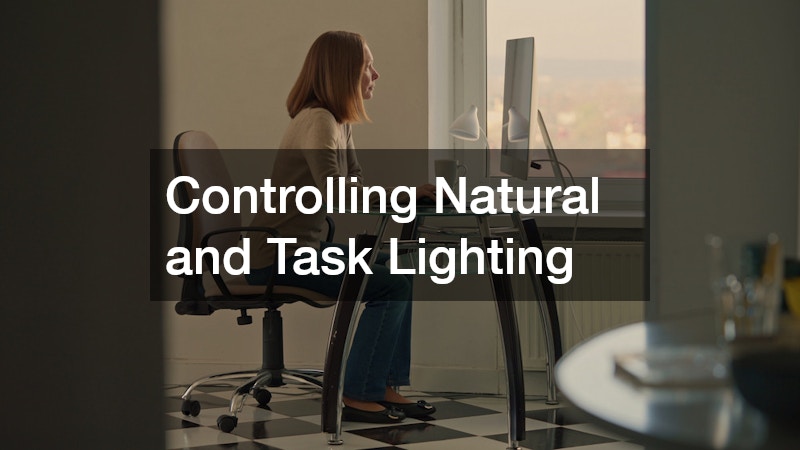
Lighting is arguably the single most important factor in a creative workspace, because poor lighting causes eye strain, misjudged colors, and mental fatigue faster than almost anything else. Layer your lighting with ambient overhead fixtures, adjustable task lamps at the work surface, and, where possible, natural daylight from a well-placed window. Full-spectrum bulbs are worth the extra cost for anyone doing color-sensitive work like painting, photo editing, or fabric dyeing.
- Position the primary work surface perpendicular to windows to avoid glare
- Use dimmable fixtures so you can adjust brightness for different tasks
- Add a swing-arm task lamp near detail work areas
- Choose bulbs rated between 4000K and 5000K for accurate color rendering
- Avoid single overhead lighting, which creates harsh shadows
Managing Sunlight and Privacy With Window Treatments
Windows bring welcome natural light into a workspace, but unmanaged sunlight can also cause glare on screens, fade fabrics and artwork, or create distracting views that pull focus away from the task at hand. Custom window treatments let you dial in exactly how much light enters at different times of day without sacrificing the room’s natural brightness altogether. Cellular shades, for instance, offer insulation benefits alongside light control, which is useful in a converted garage or basement studio with less consistent temperature regulation.
Privacy is another consideration many people overlook until it becomes a problem, particularly for home-based creatives who livestream, teach virtual classes, or simply want to avoid being watched while they work. Layered treatments, such as a sheer panel paired with a blackout shade, give you flexibility to adjust light and privacy independently throughout the day. This kind of control turns a window from a distraction into an asset.
Sourcing Furnishings and Accents That Support Focus

Once the bones of the room are in place, the smaller furnishing decisions start to matter, from seating to acoustic panels to the color of the walls. A well-chosen chair with proper lumbar support can be the difference between a two-hour work session and a full day of productive focus. Visiting a home decor store in person, rather than shopping only online, lets you test textures, sit in chairs, and see how paint swatches actually look under your studio’s lighting.
Small decorative choices also influence mood and concentration more than people expect. Muted, low-saturation wall colors tend to reduce visual fatigue during long creative sessions, while a single bold accent wall can energize a space without overwhelming it. Choose textiles and rugs that are easy to clean, since creative work is rarely tidy business.
Displaying and Labeling Your Work or Supplies
A distraction-free space is not necessarily a bare one; in fact, thoughtful display can actually support focus by keeping inspiration visible and supplies clearly identified. Many creatives now turn to local sign shops to produce custom labels, wayfinding signage for a shared studio, or even a branded nameplate for a home business run out of the space. Clear, professional labeling on storage bins and shelves also reduces the mental friction of hunting for materials mid-project.
Beyond function, a small gallery wall or rotating display shelf gives you a place to see finished work, which can be motivating rather than distracting when placed outside your direct line of sight during active work. Keep display areas separate from your primary work surface so admiring past projects does not interrupt current focus. This balance between inspiration and order is often what separates a cluttered room from a genuinely creative one.
Planning Layout and Renovation With Professional Guidance
For anyone tackling a more significant renovation, whether that is converting an attic, finishing a basement, or reworking an awkward garage layout, bringing in an interior design contractor can save both time and costly mistakes. A contractor familiar with small-space planning can help balance electrical needs, ventilation, and traffic flow in ways that are easy to overlook when designing a room yourself. They can also coordinate multiple trades, which matters when a project involves flooring, cabinetry, and lighting all at once.
Beyond the big structural decisions, sourcing quality remodeling products upfront, such as moisture-resistant drywall, low-VOC paint, or energy-efficient windows, pays off in the long run through better durability and healthier air quality. Cutting corners on materials in a creative space often shows up later as peeling paint, warped shelving, or persistent odors that are hard to work around. A little research before purchasing materials prevents most of these headaches.
Building a distraction-free creative workspace is less about following a single design formula and more about matching your room’s layout, materials, and light to the way you actually work. Start with the fundamentals of location, flooring, and storage, then layer in lighting, furnishings, and personal touches once the bones of the space feel solid. Small, deliberate choices made early on save money and frustration later, so take the time to plan before you buy or renovate. Your next step is simple: walk through your intended space with fresh eyes, note what already works, and tackle one improvement at a time.